
Water Filtration Installation in Everett, WA
A whole-home filtration system addresses taste, odor, chlorine, and sediment concerns that a water softener alone doesn't solve, since softening and filtration target different issues.
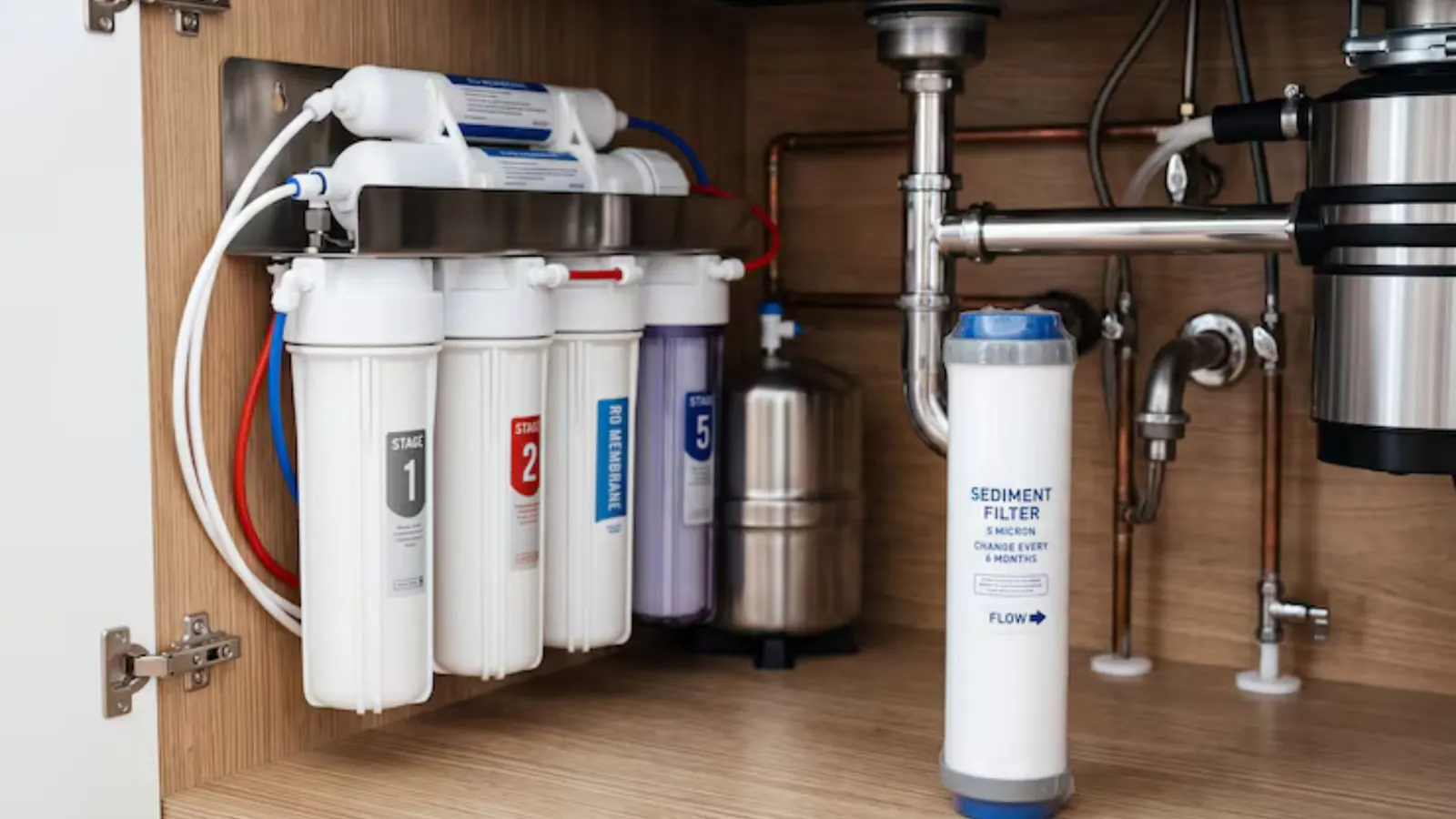
Whole-home water filtration is a different service from a water softener, and the distinction matters when deciding what your home actually needs. A softener addresses hardness minerals. A filtration system addresses chlorine taste and odor, sediment, and in some cases specific contaminants depending on the source water and the household's concerns.
We size and install whole-home filtration systems based on your household's actual water usage and the specific quality concerns you're trying to address, rather than defaulting to a one-size-fits-all system.
Water Quality Considerations in Everett
Everett's municipal water is treated to meet safe drinking water standards, but chlorine used in treatment can produce a noticeable taste and odor at the tap, which is the most common reason households in this area install a filtration system, separate from any hardness concerns a softener addresses.
Homes with older galvanized supply lines can also introduce sediment and rust particles into the water even when the municipal supply itself is clean, since the pipe interior is shedding corrosion into the water as it flows through.
Signs Filtration Would Help Your Home
- A noticeable chlorine taste or smell from tap water.
- Visible sediment or discoloration in water, especially after any nearby utility work.
- A desire to reduce reliance on bottled water for drinking and cooking.
- Concerns about specific water quality issues affecting a household member.
- Older galvanized supply lines contributing sediment to the water supply.
Assessing Your Home's Water Quality Needs
We start with a water quality assessment covering chlorine level, sediment presence, and any specific concerns you've raised, since the right filtration approach depends entirely on what's actually in the water reaching your home.
For homes with galvanized supply lines contributing sediment, we'll also discuss whether repiping addresses the root cause more permanently than filtration alone, since filtration treats the symptom while repiping removes the source.
Whole-Home vs. Point-of-Use Filtration
A whole-home system treats all water entering the house at a single point, addressing chlorine taste and sediment for every fixture and appliance. A point-of-use system, typically under a kitchen sink, targets drinking and cooking water specifically at a lower upfront cost.
For households wanting both hardness and taste/odor addressed, we often recommend a combined approach: a softener for hardness paired with filtration for chlorine and sediment, rather than expecting one system to do both jobs well.
Wondering What System Actually Fits Your Situation?
A lot of callers ask generally about whole-home filtration without knowing which type of system addresses their specific concern. Chlorine taste and odor call for a different filtration approach than sediment, and sediment calls for a different approach than concerns about specific dissolved contaminants. We start by identifying what you're actually trying to solve before recommending equipment.
What Affects Filtration Cost
Cost Factors
- System type: whole-home systems cost more upfront than point-of-use under-sink systems.
- Filtration media: different concerns (chlorine, sediment, specific contaminants) require different media.
- Household water usage: higher usage requires a higher-capacity system.
- Installation location: available space and existing plumbing configuration affect labor.
- Maintenance: filter or media replacement is an ongoing cost separate from installation.
Water filtration installation is a homeowner investment in water quality, not typically covered by insurance.
Want your real number? Call (425) 845-0257.
What to Consider Before Installing Filtration
- Identify your specific concern: taste and odor, sediment, or something else.
- Decide whether whole-home coverage or just drinking water quality matters most to your household.
- Check if you already have a water softener, since filtration and softening solve different problems.
- Consider ongoing maintenance requirements like filter replacement schedules.
- Note if you have older galvanized pipes, which may be contributing sediment independent of the source water.
Water Filtration Questions
What's the difference between a softener and a filtration system?
A softener removes hardness minerals. Filtration addresses chlorine taste, odor, and sediment. Many households benefit from both.
Do I need whole-home filtration or just an under-sink system?
It depends on whether you want filtered water at every fixture or just for drinking and cooking. We'll walk through the trade-off for your household.
How often does filtration media need to be replaced?
This varies by system and household usage, typically ranging from a few months to a year depending on the specific media and filtration type.
Will filtration fix sediment from old pipes?
It can filter sediment before it reaches your fixtures, though repiping addresses the underlying source if the sediment is coming from corroding galvanized pipe.
Do you serve areas outside Everett?
Yes, including Lake Stevens, Snohomish, Mukilteo, Mill Creek, and Edmonds.
Ready to Improve Your Water Quality?
Call now to schedule a water quality assessment.