
Basement Waterproofing in Everett, WA
Basement Waterproofing is the single most-searched plumbing-adjacent problem in Everett, and it tracks directly with the city's rainy season and its stock of older, pre-1970 foundations.
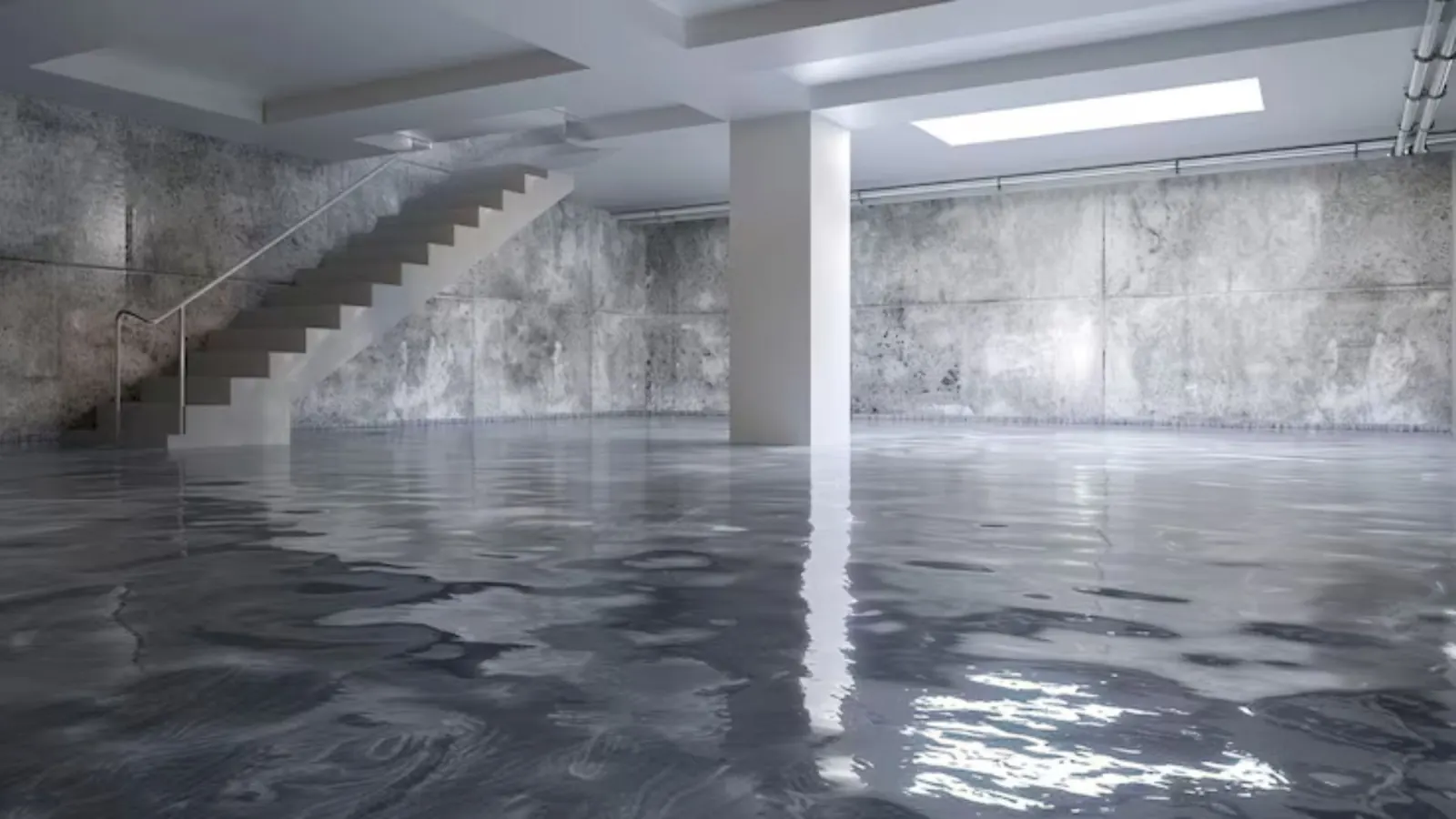
If your Everett basement or crawlspace floods every winter, you're dealing with the city's most common and best-documented plumbing-adjacent problem. Basement waterproofing consistently shows the highest real search demand of any service category in this market, and it's not a coincidence. Everett's long rainy season, saturated soil, and a large share of pre-1970 homes with aging foundation drainage combine into a predictable pattern every fall and winter.
Everett Pro Plumbing treats basement waterproofing as a diagnosis problem first and a sealing job second. A basement that floods from a failed foundation drain needs a different fix than one flooding because of a cracked wall or an overwhelmed sump pump, and treating the wrong cause wastes money without solving the underlying issue.
Why Everett's Rainy Season Floods Older Basements
Everett sees roughly seven months of elevated rainfall between October and April, and that rain raises the water table under homes across older neighborhoods faster than aging drainage systems can handle it. Angi's own advisory research on this city confirms the pattern directly: completing plumbing and drainage upgrades before the rainy season measurably reduces basement and crawlspace flood risk for Everett homeowners.
Homes built before 1970, common around downtown, Bayside, and Riverside, were built with foundation drainage standards that predate current code, and many still rely on the original perimeter drain tile from construction. That tile silts up or collapses over 50-plus years, and once it stops moving water away from the foundation, hydrostatic pressure pushes it straight through basement walls and floor joints instead.
The soil composition around much of Everett compounds the problem. Glacial till and clay-heavy soil, common across Snohomish County, drain more slowly than sandy or loamy soil, which means water sits against a foundation wall longer after a storm instead of percolating away. That extended contact time is exactly what pushes water through hairline cracks and cold joints that would stay dry in a faster-draining soil type.
Signs Your Basement Needs Waterproofing
- Water stains or a visible waterline on basement walls after a heavy rain event.
- A persistent musty smell in the basement or crawlspace, even when no water is visible.
- White, chalky mineral deposits (efflorescence) on concrete walls or the foundation floor.
- Standing water in a crawlspace access point after storms.
- A sump pump running constantly during the rainy season instead of cycling normally.
How We Find Where Water Is Actually Getting In
We start with a moisture meter reading across the walls and slab to map where water is entering rather than just where it pools, since basement water often travels along a footing before it shows up somewhere visible. Exterior grading and downspout placement get checked next, because a surprising share of Everett basement flooding traces back to water being directed at the foundation from the roof and yard rather than through it.
For homes with a history of repeat flooding, we'll also check hydrostatic pressure at the footing level and inspect any existing sump pump and discharge line for undersizing or a failed check valve, since a pump that's too small for the actual water volume will fail the same way every winter no matter how many times it's replaced with an identical unit.
Interior Drain Tile, Exterior Excavation, or Crack Injection
An interior perimeter drain system paired with a properly sized sump pump is the most common fix for Everett's older homes, since it addresses hydrostatic pressure without excavating the yard, and it works well alongside the existing foundation in most pre-1970 construction.
Exterior excavation and a new waterproof membrane is a larger job, usually reserved for a foundation with active structural cracking or where the exterior grading itself needs correction, not just the interior drainage. For a single isolated crack with no broader drainage failure, epoxy or polyurethane injection can be the right, lower-cost answer. We'll tell you honestly which category your basement falls into rather than defaulting to the most expensive option.
Homes with visibly corroded or leaking galvanized supply lines in the basement often get both problems diagnosed on the same visit, since the same pre-1970 construction era produced both issues.
Cost is often the deciding factor between these three options, and it isn't always intuitive. A crack injection might run a few hundred dollars, while a full exterior excavation on a longer foundation wall can run into five figures. We walk through the real trade-off between upfront cost and long-term reliability for your specific foundation rather than assuming bigger is always better.
Interior Drain Tile vs. Exterior Excavation vs. Crack Injection
| Option | Best For | Disruption | Addresses Hydrostatic Pressure |
|---|---|---|---|
| Interior Drain Tile + Sump | Seasonal seepage, older pre-1970 foundations | Low, interior only | Yes |
| Exterior Excavation + Membrane | Structural cracking, grading failure | High, full yard excavation | Yes |
| Crack Injection | A single isolated crack, no broader drainage failure | Minimal | No, spot fix only |
What Affects Basement Waterproofing Cost in Everett
Cost Factors
- Scope: a single crack injection costs far less than a full interior drain tile system.
- Access: a finished basement with drywall and flooring costs more to work around than an unfinished one.
- Sump pump condition: whether an existing pump can be reused or needs full replacement.
- Excavation: exterior work requires yard restoration, which interior systems avoid.
- Severity: active standing water versus a seasonal dampness pattern changes the required scope.
Most homeowner's policies exclude gradual groundwater seepage and only cover sudden, accidental water damage. Check your policy's specific groundwater and seepage language before assuming a repair is covered.
Want your real number? Call (425) 845-0257.
What to Check Before Water Damage Sets In
- Check that downspouts discharge at least 5-6 feet from the foundation, not directly against it.
- Test your sump pump manually before the rainy season starts by pouring water into the basin.
- Look for grading that slopes toward the house instead of away from it after any landscaping work.
- Photograph any water intrusion for insurance purposes before starting cleanup.
- Note whether flooding happens during rain, after rain, or constantly, since the timing points to a different cause.
Basement Waterproofing Questions
Why does my basement only flood in the winter?
Everett's rainy season from October through April raises the local water table, which is when marginal foundation drainage and undersized sump pumps typically fail. A basement that stays dry all summer can still have a real underlying drainage problem.
Do I need exterior excavation or can interior work fix it?
Most Everett basements with seasonal seepage can be fixed with an interior drain system and sump pump. Exterior excavation is usually only needed for active structural cracking or a grading problem at the foundation itself.
How is this different from a sump pump repair?
A sump pump is one part of a waterproofing system. If the pump is undersized or failing but the drainage around it is sound, a sump pump repair or replacement alone may solve it without a larger drainage project.
Do you provide free estimates for basement waterproofing?
Yes, for non-emergency assessments. For active flooding, we provide upfront pricing before any repair begins.
How long does a typical waterproofing project take?
An interior drain tile and sump system is often completed in one to two days. Exterior excavation projects usually take longer, typically three to five days depending on foundation length and weather conditions.
Will waterproofing fix a musty smell even without visible water?
Often, yes. A musty smell without visible standing water usually means moisture is entering through the foundation slowly enough to evaporate before pooling, which a moisture meter reading will typically confirm during the initial assessment.
Do you serve areas outside Everett for this?
Yes. We cover Snohomish, Mukilteo, Lake Stevens, Mill Creek, and Edmonds, all of which share Everett's rainy-season drainage challenges to varying degrees depending on housing age.
What if the flooding already damaged my flooring or drywall?
That's a separate service from waterproofing itself. See our water damage restoration page for drying and repair once the drainage problem is fixed.
Basement Flooding in Everett?
Call now for 24/7 emergency response, or schedule a drainage assessment before the next storm.