
Water Line Repair & Replacement in Everett, WA
The water line is the buried pipe from the meter or curb stop to your house, a distinct job from repiping the plumbing inside the home.
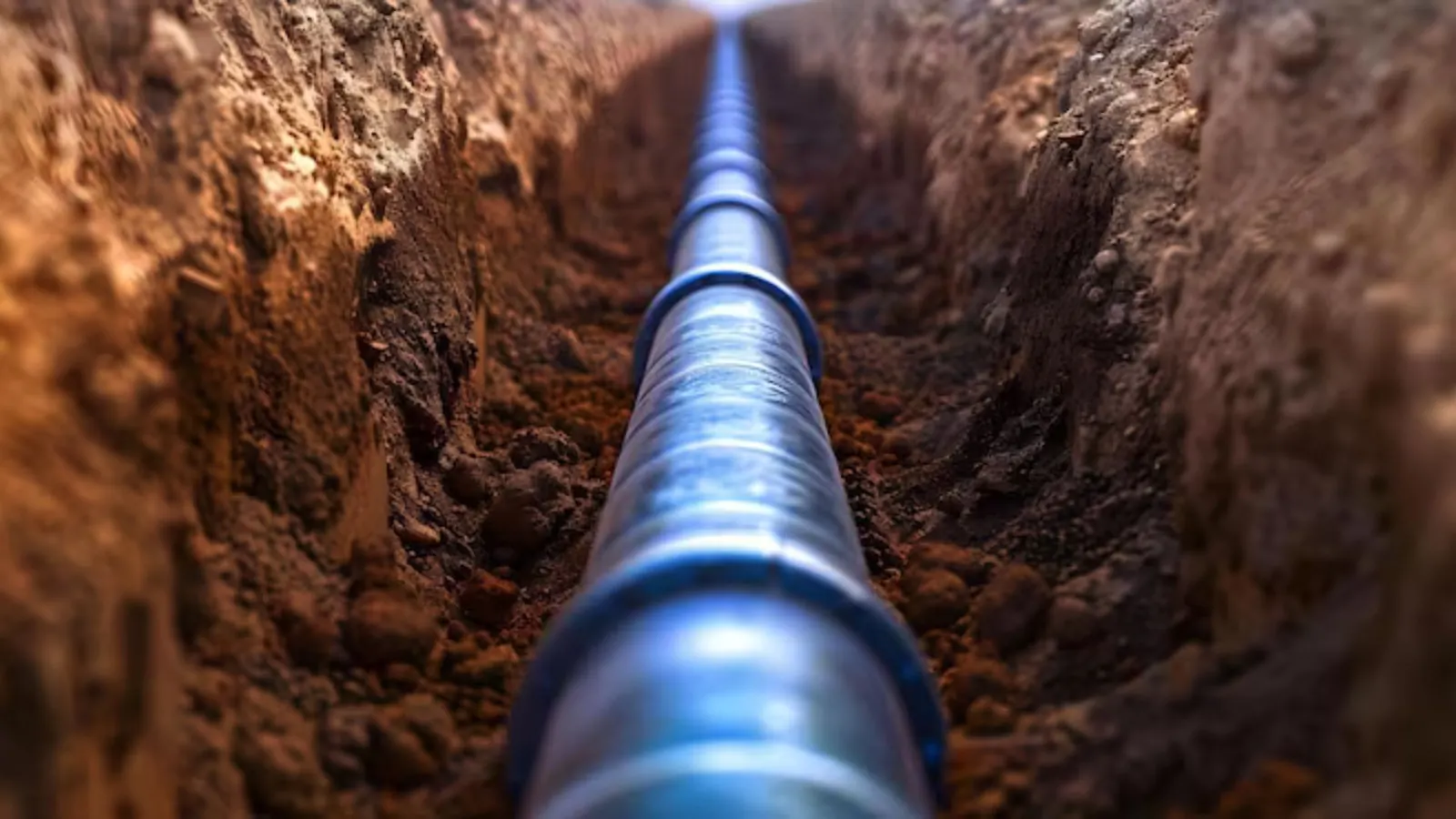
The water service line runs underground from the city's meter or curb stop to your home's exterior wall, and it's a separate piece of infrastructure from the interior plumbing that a whole-home repipe addresses. A leak or failure in this buried line shows up differently than an interior leak, usually as unexplained wet patches in the yard, a sudden water bill spike, or noticeably reduced pressure throughout the entire house.
We diagnose whether a water line problem is a localized leak that can be spot repaired or degradation along the full run that calls for replacement, using the same acoustic detection methods we use for interior leak detection.
Why Older Everett Water Lines Fail
Many water service lines installed before 1970 used galvanized steel or, in some cases, lead, both of which have a limited service life underground and are now well past the point where failure becomes a real possibility rather than a distant concern. Soil movement and tree root pressure from decades of growth near the line's path add mechanical stress on top of the material's natural aging.
A water line leak often shows up first as an unexplained increase in your water bill, since the leak is underground and rarely visible at the surface until it becomes significant enough to saturate the soil above the line.
Signs of a Water Line Problem
- A soggy or unusually green patch of lawn above where the line runs, even without recent rain.
- Noticeably reduced water pressure throughout the entire house, not just one fixture.
- An unexplained spike in your water bill with no change in household usage.
- The sound of running water near the meter with all fixtures inside the house off.
- Discolored water at the tap, particularly after any nearby street or utility work.
Locating a Water Line Leak Without Full Excavation
We start with a pressure test at the meter to confirm whether the leak is on the utility side or the property owner's side of the connection, since responsibility and repair scope depend on that boundary. From there, acoustic detection equipment helps narrow the leak's location along the buried line's path before any digging starts.
For a line with degradation along its full length rather than one isolated point, we'll recommend replacement over repeated spot repairs, the same logic that applies to interior repiping decisions.
Spot Repair vs. Trenchless vs. Traditional Replacement
A single confirmed leak point in an otherwise sound line is a direct spot repair. For full replacement, trenchless methods minimize yard disruption compared to traditional open-trench excavation, similar to the trenchless options available for sewer lateral replacement.
Line material matters for the replacement decision too. Modern water lines use PEX or copper, both significant upgrades over the original galvanized or lead lines found in some of Everett's oldest properties.
Think the Problem Is Underground, Not Inside the House?
Callers often describe this as water pressure dropping everywhere at once, or a wet spot in the yard they can't explain. Both point toward the buried water line rather than interior plumbing, and we can confirm that distinction quickly with a pressure test at the meter before recommending any excavation.
What Affects Water Line Cost in Everett
Cost Factors
- Method: trenchless replacement typically costs less than traditional excavation due to reduced restoration.
- Line length and depth: distance from the meter to the house and burial depth affect labor and material.
- Access: mature landscaping or hardscaping along the line's path can complicate either method.
- Permits: Everett and the water utility require permitting for water line work.
- Material: replacing lead or galvanized with modern PEX or copper is a material upgrade cost.
Water line repair or replacement due to age is generally a homeowner expense, not covered by standard insurance, since it's considered normal infrastructure deterioration rather than sudden damage.
Want your real number? Call (425) 845-0257.
What to Check Before You Call
- Check your water meter with everything off inside the house to see if it's still registering flow.
- Look for a soggy or unusually green patch of lawn along the likely path from the street to your house.
- Note whether reduced pressure affects the entire house or just one area, which points to different causes.
- Check recent water bills for an unexplained spike.
- Avoid assuming the leak is inside the house before ruling out the buried service line first.
Water Line Questions
How is this different from repiping my house?
Repiping replaces the plumbing inside your home. Water line repair or replacement addresses the buried line from the meter or curb stop to your house, a separate piece of infrastructure.
Who's responsible for a water line leak, me or the city?
Typically the property owner is responsible for the line from the meter to the house, while the utility maintains the line up to the meter. We'll confirm this boundary during the pressure test.
Can water line replacement be done without digging up my whole yard?
In many cases, yes, using trenchless replacement methods that require only small access points rather than a full trench.
How fast can you respond to a suspected water line leak?
We can typically schedule a diagnostic visit quickly. A leak causing significant pressure loss or yard flooding is treated as more urgent.
Do you serve areas outside Everett?
Yes, including Mukilteo, Snohomish, Lake Stevens, Mill Creek, and Edmonds.
Suspect a Water Line Problem?
Call now to schedule a pressure test and leak location assessment.