
Slab Leak Detection & Repair in Everett, WA
A slab leak is a specific, diagnosable problem, water leaking from a pipe running underneath a concrete foundation, and it needs its own detection method distinct from general leak detection.
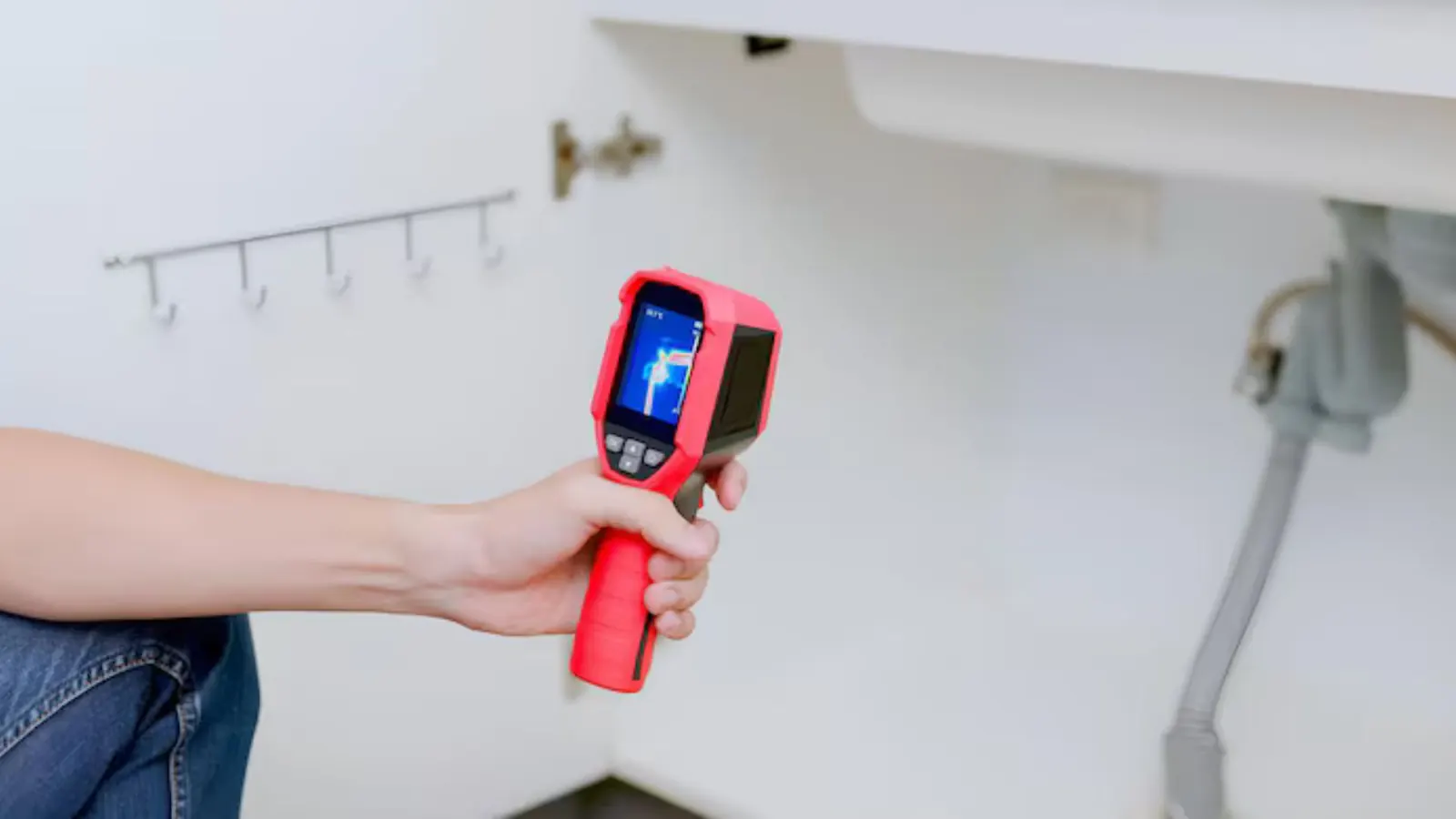
A slab leak occurs when a water supply line running beneath a home's concrete foundation develops a leak, and it's distinct enough from a general hidden leak to warrant its own diagnostic approach. The classic sign is a warm spot on an otherwise cool floor, caused by a hot water line leaking underneath, though cold water slab leaks happen too and are diagnosed differently.
We use a combination of acoustic detection and, where needed, thermal imaging to pinpoint a slab leak's location before any concrete gets cut, since unnecessary demolition is both costly and avoidable with the right equipment.
Why Slab Leaks Happen in Everett Homes
Copper supply lines running beneath a concrete slab can develop leaks from a few different mechanisms: soil movement putting mechanical stress on the pipe over years, chemical reaction between the copper and certain soil conditions, or simple age-related wear at a joint or fitting.
Homes with a history of general hidden leaks elsewhere in galvanized supply lines sometimes see slab leaks too, since a home's plumbing was typically all installed at the same time from the same generation of materials.
Signs of a Slab Leak
- A warm spot on the floor in a home with a concrete slab foundation, often near a wall.
- The sound of running water beneath the floor when no fixture is in use.
- An unexplained spike in your water bill with no visible leak elsewhere.
- Cracking in the flooring or a slight buckling of flooring materials above the leak.
- Unexplained mold or a musty smell near the affected area of the floor.
Locating a Slab Leak Precisely
Acoustic detection equipment is highly effective for slab leaks specifically, since the leak's sound transmits clearly through concrete and lets us narrow the location to a small area before any demolition. Thermal imaging adds confirmation for hot water line leaks, since the escaping water creates a detectable temperature signature at the surface.
We confirm the exact location before recommending a repair approach, since the location relative to walls, fixtures, and the rest of the plumbing system affects which repair method makes the most sense.
Direct Slab Penetration vs. Rerouting the Line
For a leak in an accessible location, a direct repair through a small, precisely located slab penetration is often the fastest and least disruptive option. For a leak in a difficult-to-reach spot, or where the surrounding pipe shows additional wear, rerouting the line through a wall or ceiling instead of back through the slab can avoid future slab leaks at the same location altogether.
For a home with a documented pattern of multiple leaks, we'll discuss whether repiping the affected lines above the slab entirely makes more sense than continuing to repair individual slab penetrations. Any slab penetration and repair follows Uniform Plumbing Code (UPC) standards for below-grade water piping, which Washington State has adopted statewide.
What Affects Slab Leak Repair Cost
Cost Factors
- Detection method: acoustic detection alone costs less than adding thermal imaging confirmation.
- Repair approach: direct slab penetration is typically less costly than rerouting a line.
- Flooring type: repairing tile, hardwood, or carpet above the slab adds restoration cost.
- Location: a leak under a load-bearing wall or in a hard-to-access area increases complexity.
- Pipe condition: broader corrosion found during repair may expand the recommended scope.
Sudden slab leaks are sometimes covered under homeowner's policies, particularly with specific slab leak or water damage endorsements. Gradual, long-term leaks are less likely to be covered. Check your policy's specific language.
Want your real number? Call (425) 845-0257.
What to Check Before You Call
- Feel for warm spots on your floor, especially near walls where hot water lines commonly run.
- Check your water meter with all fixtures off to confirm active water loss.
- Note any recent flooring changes, cracking, or slight buckling.
- Check recent water bills for an unexplained increase.
- Avoid assuming a repair approach before the leak's exact location is confirmed.
Slab Leak Questions
How is a slab leak different from a regular hidden leak?
A slab leak specifically involves a pipe beneath a concrete foundation, which requires acoustic or thermal detection methods different from a leak in an accessible wall cavity. See leak detection for the broader diagnostic approach.
Will you need to cut into my concrete floor?
Only for the repair itself, and only after we've precisely located the leak. Detection is non-invasive.
Is rerouting better than repairing through the slab?
It depends on the specific location and pipe condition. We'll walk through both options honestly for your situation.
Can a slab leak cause structural damage if left too long?
Yes, prolonged water intrusion under a foundation can affect soil stability and, over time, the slab itself, which is why prompt diagnosis matters.
Do you serve areas outside Everett?
Yes, including Edmonds, Mukilteo, Snohomish, Lake Stevens, and Mill Creek.
Suspect a Slab Leak?
Call now to schedule precise leak location before any demolition.