Backflow Testing & Prevention in Everett, WA
A backflow prevention device protects Everett's drinking water supply from contamination, and annual testing is a code requirement, not an optional service.
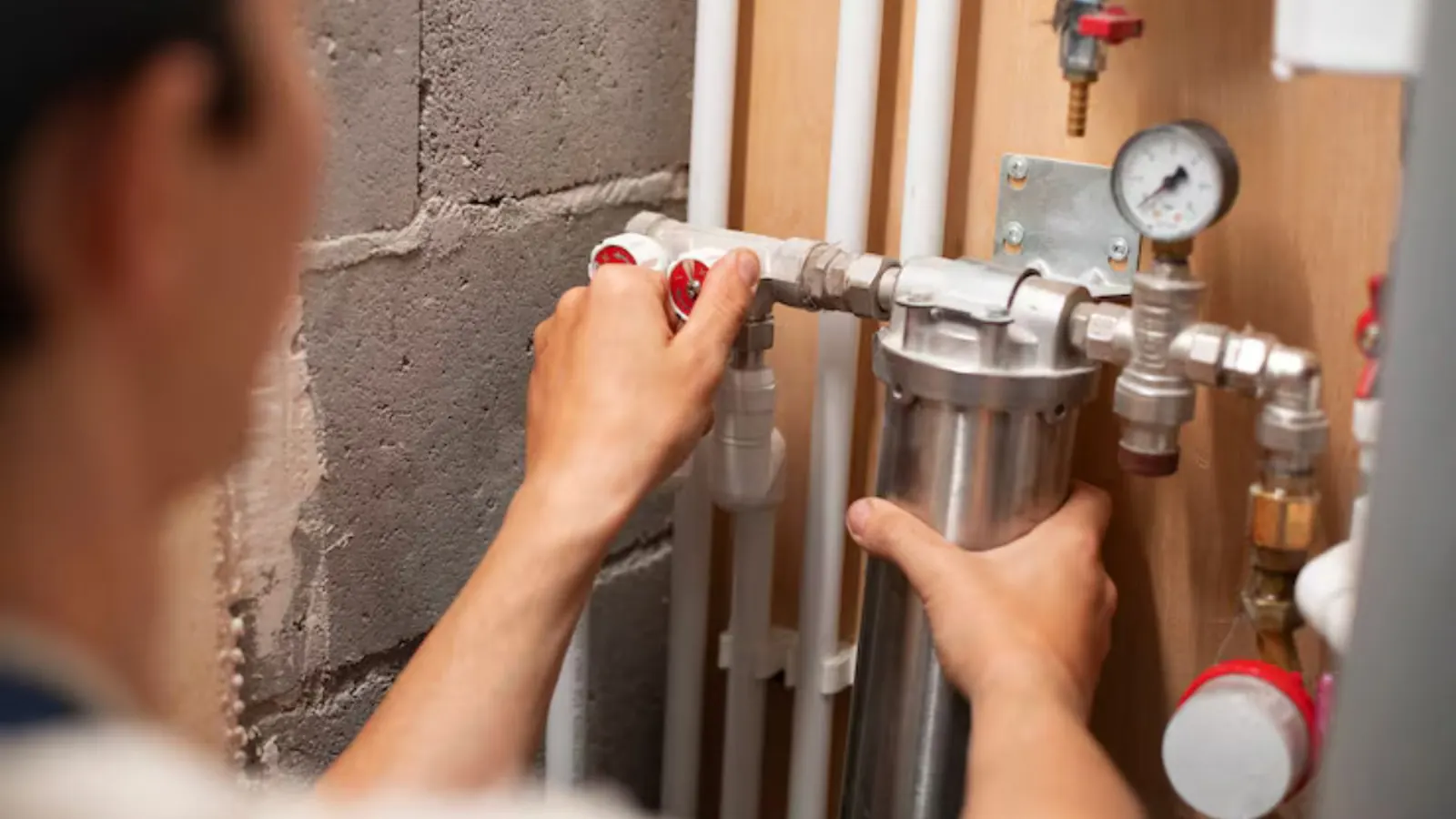
A backflow prevention device stops contaminated water from flowing backward into the clean municipal water supply, a real risk anywhere a property has an irrigation system, fire suppression system, boiler, or certain commercial plumbing connections. Everett, like most Washington municipalities, requires annual testing of these devices by a certified tester, and property owners are typically responsible for scheduling that testing themselves.
We provide certified backflow testing for residential irrigation systems and commercial installations, along with new device installation where a property doesn't yet have one required by code.
Why Backflow Testing Is Required in Everett
Cross-connection control programs, which govern backflow prevention requirements, exist because a sudden drop in municipal water pressure, from a water main break or heavy firefighting demand elsewhere in the system, can create suction that pulls water backward through an unprotected connection. An irrigation system with fertilizer or pesticide residue, or a boiler with treated water, are both real contamination risks without a functioning backflow device.
Everett's water utility requires annual testing specifically because a backflow device's internal seals and check valves can fail silently over a year of normal operation, and testing is the only way to confirm the device is actually still doing its job.
When Backflow Testing Applies to Your Property
- You have an irrigation or sprinkler system connected to your water supply.
- Your property has a fire suppression system with a dedicated water connection.
- You operate a commercial property with a boiler or process water connection.
- It's been 12 months or more since your last documented backflow test.
- You received a notice from the water utility about an overdue backflow test.
How Backflow Testing Works
A certified backflow test checks the device's check valves and relief valve under controlled test conditions, confirming they hold pressure correctly and open only in the intended direction. The test typically takes under an hour and doesn't require shutting off water to the rest of the property for an extended period.
If a device fails testing, we'll identify whether it needs a repair, like replacing a worn seal or spring, or full replacement if the device itself has failed structurally.
Testing, Repair, or New Device Installation
Annual testing on an existing, functioning device is the standard service most properties need. A failed component within the device, like a check valve seal, is usually repairable without replacing the whole unit.
For a property that doesn't yet have a required backflow device, we handle installation sized and positioned correctly for the connection type, whether that's residential irrigation or a larger commercial installation.
What Affects Backflow Testing Cost
Cost Factors
- Device type: a simple residential irrigation device costs less to test than a commercial-grade assembly.
- Number of devices: some properties have multiple backflow devices requiring separate tests.
- Repair needs: a device that fails testing may need parts replaced before it passes.
- New installation: adding a device where none exists is a separate cost from annual testing.
- Reporting: results must be filed with the water utility, which we handle as part of the service.
Backflow testing is a compliance and maintenance cost, not an insurance matter. Contamination-related liability, in the rare event of a backflow incident, would be a separate legal and insurance question.
Want your real number? Call (425) 845-0257.
What to Check Before Scheduling
- Check when your last backflow test was performed and reported to the water utility.
- Locate your backflow device, usually near where the irrigation or fire line connects to the main supply.
- Note any visible leaking or corrosion on the device itself.
- Check if you've received a compliance notice from the water utility about testing.
- For commercial properties, confirm how many separate backflow devices are on site.
Backflow Testing Questions
Is backflow testing legally required?
Yes, for properties with irrigation systems, fire suppression connections, or certain commercial connections, Everett's water utility requires annual testing by a certified tester.
What happens if my device fails the test?
We'll identify the specific failure and recommend repair or replacement, then retest to confirm the device passes before filing the report.
Who reports the test results to the city?
We handle filing the test results with the water utility as part of the service.
Do I need a backflow device if I don't have an irrigation system?
It depends on your specific plumbing connections. We can assess whether your property requires one under current code.
Do you serve areas outside Everett?
Yes, including Snohomish, Mukilteo, Lake Stevens, Mill Creek, and Edmonds.
Due for Backflow Testing?
Call now to schedule certified testing and compliance filing.