
Water Heater Repair in Everett, WA
A water heater failure is one of the most common emergency calls in Everett, and the fix depends on whether it's a tank age issue, a heating element failure, or sediment buildup.
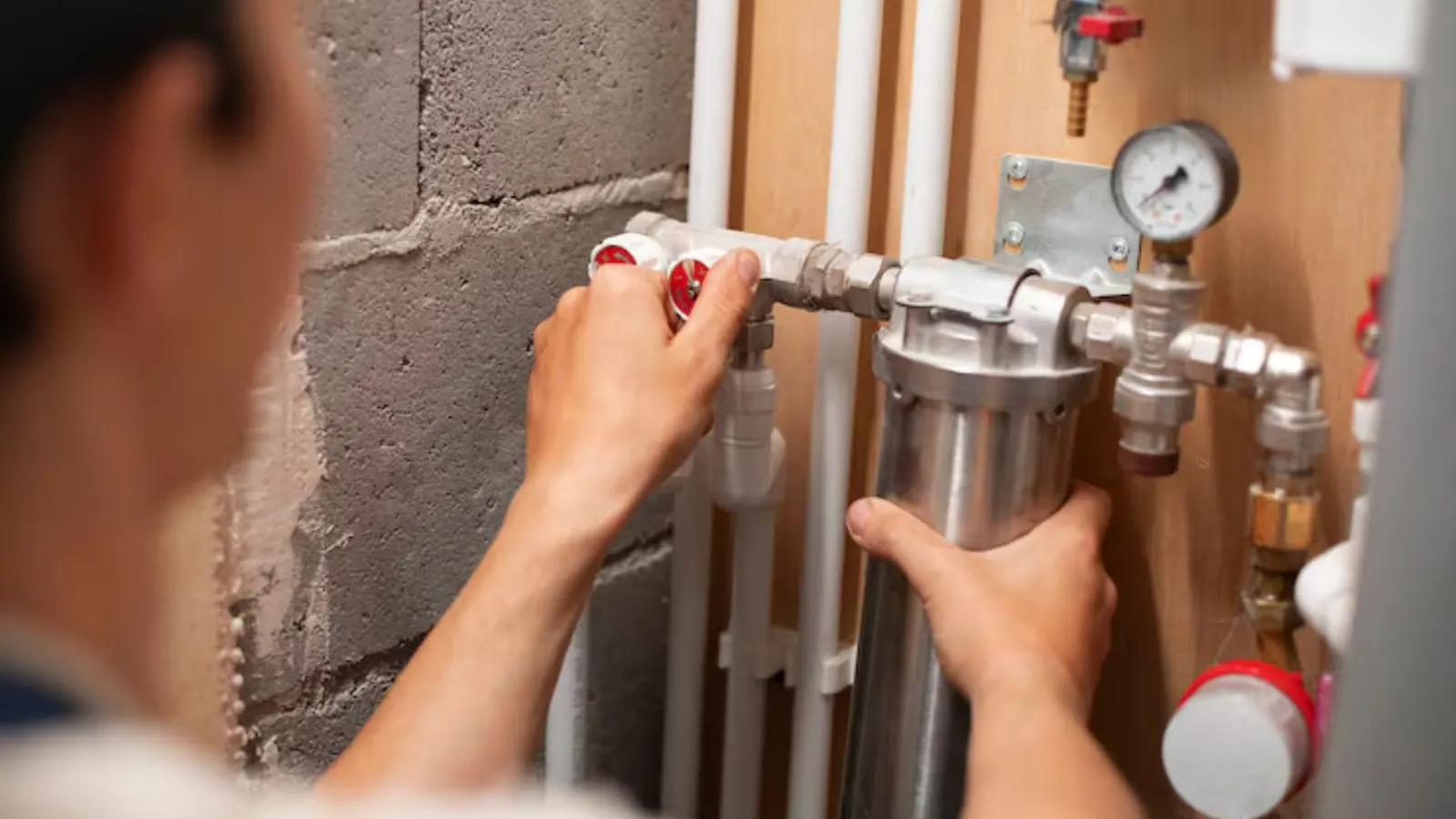
Losing hot water is one of the most common reasons Everett homeowners call for emergency plumbing service, and the underlying cause varies more than people expect. A tank that's simply reached the end of its 10-12 year service life fails differently than one with a bad heating element, a failed thermostat, or heavy sediment buildup, and diagnosing which one you're dealing with changes whether a repair or a full replacement makes more financial sense.
We diagnose the actual failure point before recommending a fix, and we'll tell you honestly when a repair isn't worth it on an aging unit rather than patching something that's going to fail again within a year.
Why Older Everett Water Heaters Fail Early
Homes built before 1970 in Everett's older neighborhoods often still have the original water heater closet sized for a smaller, older-generation tank, which means undersized venting and clearance become real factors when it's time to replace rather than repair a failing unit. Many of these homes also still run galvanized supply lines feeding the heater, and corrosion inside that piping accelerates sediment buildup inside the tank itself.
Snohomish County's municipal water, while not unusually hard by national standards, still deposits mineral sediment over years of use, and a tank that's never been flushed accumulates a layer at the bottom that reduces efficiency and can eventually damage the heating element or burner assembly.
Undersized venting is a specific issue on older Everett installations. Many pre-1970 water heater closets were built around a smaller-capacity tank, and swapping in a modern higher-capacity unit without updating clearance or venting can create a real safety issue on a gas system, which is why we check code compliance on every replacement, not just repair the failed part.
Signs Your Water Heater Needs Repair
- No hot water, or hot water that runs out much faster than it used to.
- Rumbling or popping sounds from the tank, usually caused by sediment buildup.
- Water pooling at the base of the tank, which signals a tank failure rather than a fixable component.
- Discolored or rusty-looking hot water.
- The pilot light or electric ignition repeatedly failing to stay lit or activate.
Diagnosing a Water Heater Problem
We test the thermostat, heating element or burner assembly, and pressure relief valve individually rather than assuming the whole unit needs replacement. For gas units, we check the pilot assembly and venting for a safe, code-compliant setup, especially in older Everett homes where the water heater closet may not meet current clearance standards.
Tank age matters here more than most homeowners expect: a repair on a unit past 10-12 years old often just delays a replacement that's coming anyway, and we'll walk through that math honestly rather than defaulting to the repair that generates a bigger invoice.
Repair, Element Replacement, or Full Replacement
A failed heating element, thermostat, or pressure relief valve is usually a straightforward repair on a tank that's otherwise in good condition. A tank showing visible corrosion, active leaking, or that's already past its expected service life is a replacement conversation, not a repair one.
If you're already considering an upgrade, we'll walk through full replacement options and whether a tankless system makes sense for your household's hot water demand and the home's existing gas or electrical service.
For tanks that are repairable, replacing the sacrificial anode rod during the same visit is often worth doing even if it isn't the cause of the current failure. The anode rod is designed to corrode in place of the tank's steel lining, and a rod that's already fully depleted means the tank itself has likely started corroding underneath, which shortens the remaining service life regardless of what else gets repaired.
Component Repair vs. Tank Replacement vs. Tankless Conversion
| Option | Best For | Typical Lifespan After |
|---|---|---|
| Component Repair | Tank under 10 years old, single part failure | Restores remaining tank life |
| Tank Replacement | Tank over 10-12 years, visible corrosion or leaking | 10-12 years |
| Tankless Conversion | Households wanting on-demand hot water, space savings | 15-20 years |
What Affects Water Heater Repair Cost in Everett
Cost Factors
- Component: a thermostat or element replacement costs far less than tank replacement.
- Tank age: repairing a unit near the end of its service life may not be the most cost-effective option.
- Access: a heater in a tight closet or attic space takes longer to service than one with open clearance.
- Fuel type: gas and electric units have different repair procedures and part costs.
- Code compliance: older installations may need venting or clearance updates during a repair.
Sudden water heater tank failure that causes water damage is often covered under homeowner's policies, but gradual leaks or age-related failure typically are not. Check your policy's specific language.
Want your real number? Call (425) 845-0257.
What to Check Before You Call
- Check the breaker or gas shutoff valve to rule out a simple power or gas supply issue first.
- Look for visible water pooling at the base of the tank, which usually means replacement, not repair.
- Note the tank's age, often on a sticker on the unit, since units past 10-12 years favor replacement.
- If you smell gas near the unit, leave the house and call from outside before calling us.
- Note whether the problem is no hot water at all or reduced hot water volume, since that points to different causes.
Water Heater Repair Questions
Should I repair or replace my water heater?
If the unit is under 10 years old and the failure is a single component like a thermostat or element, repair usually makes sense. Past that age, or with visible tank corrosion, replacement is typically the better long-term value.
How long does a water heater repair take?
Most component repairs are completed same-day. Full replacement typically takes a few hours depending on venting and code updates needed.
Do you work on tankless water heaters too?
Yes. See our tankless water heater service page for descaling, flushing, and repair specific to tankless systems.
How often should a tank water heater be flushed?
Annually is standard, though homes with older galvanized supply lines feeding the heater may benefit from more frequent flushing since existing corrosion in the pipe can accelerate sediment buildup in the tank.
Is it worth converting to tankless when my tank fails?
It depends on your household's hot water demand and existing gas or electrical service. We'll walk through the real trade-off rather than assuming tankless is automatically the better choice.
Do you offer 24/7 emergency water heater repair?
Yes. No hot water is treated as an emergency call, especially for households with young children or medical needs.
Do you serve areas outside Everett?
Yes, including Mill Creek, Snohomish, Lake Stevens, Mukilteo, and Edmonds.
No Hot Water in Everett?
Call now for 24/7 emergency dispatch, or schedule a same-day repair appointment.